Aditi Bagchi
AuthorWith a solid legal education and extensive experience in multiple firms, she has effectively transitioned into legal content writing, merging courtroom expertise with outstanding writing capabilities.
Beautifully crafted, customizable technology services that help your business grow and succeed in the digital era. At Techniqq, we bring innovation and reliability together.
Microfinance software is transforming the way NGOs and MFIs serve low-income communities. By digitizing processes like loan management, repayment tracking, and financial reporting, these tools strengthen transparency, reduce errors, and improve compliance with regulations.
For institutions working in microfinance and community development, software integration ensures accountability and operational efficiency. From finance software and budgeting tools to ecommerce platforms, NGOs can streamline operations and expand their reach.
Techniqq supports organizations at every step, providing compliance expertise and tailored technology guidance. With Techniqq’s assistance, NGOs and MFIs can build trust, scale impact, and achieve sustainable growth in today’s digital era.
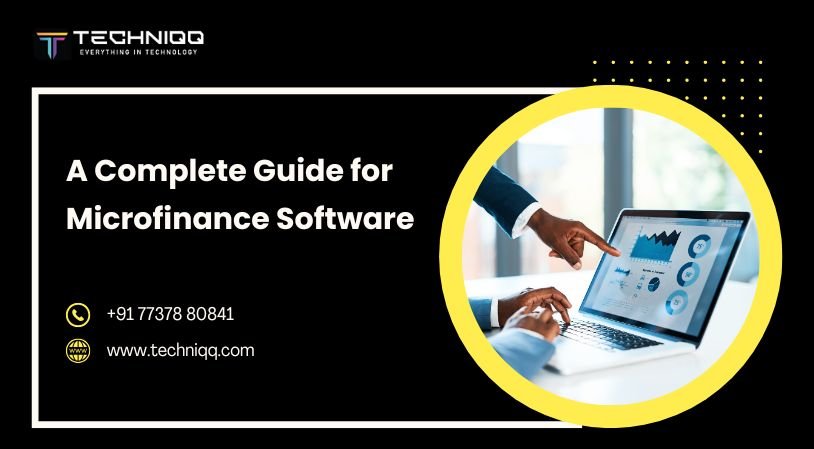
Microfinance has become a crucial pillar of financial inclusion, enabling underserved communities to access loans, savings, and other essential services. Yet, many NGOs and microfinance institutions (MFIs) face challenges in managing operations, ensuring compliance, and building transparency. This is where microfinance software provides an edge, transforming traditional systems into streamlined, digital processes that boost efficiency and accountability.
Instead of relying on manual records and fragmented methods, microfinance institutions can now digitize loan disbursements, repayment tracking, and client portfolios. With integrated tools such as financial reporting software, budgeting software, and expense tracking systems, organizations gain greater control over their finances while demonstrating credibility to donors and regulators.
For NGOs running social enterprises, the ability to connect with ecommerce platforms like Shopify, Magento, or WordPress also expands fundraising opportunities and creates new revenue streams.
The advantages are wide-ranging. Transparency builds donor confidence, automation reduces errors, and compliance with government norms becomes easier. Beyond finance, features like donor and client management, loan processing, and CRM integration allow NGOs to operate as professionally as corporate entities while staying true to their social mission.
Smaller NGOs often struggle with limited budgets, lack of technical expertise, or the need for customized systems. This is where Techniqq steps in, guiding NGOs from cost-effective solutions to advanced tools like financial planning software, ecommerce fulfillment services, and micro lending platforms.
By bridging the gap between technology and compliance, Techniqq empowers NGOs and MFIs to focus on what matters most: empowering communities. With the right digital tools, organizations can achieve sustainable growth, maintain accountability, and scale their impact.
In today’s rapidly evolving financial landscape, microfinance software has emerged as one of the most powerful tools to drive financial inclusion, strengthen transparency, and ensure accountability for institutions serving low-income communities.
Microfinance institutions (MFIs) and NGOs working in community development face unique challenges—ranging from regulatory compliance to donor management and sustainable operations. To meet these challenges, organizations are increasingly adopting digital solutions like NGO software, finance software, and ecommerce solutions that streamline operations, manage accounts effectively, and expand their reach.
Techniqq, a leading consultancy and compliance partner in India, is empowering these organizations by integrating legal expertise with technology guidance.
Microfinance institutions provide loans, savings, and other services to communities often excluded from the formal financial sector. Traditionally, these processes involved manual record-keeping, cash-based transactions, and fragmented systems, creating inefficiencies, compliance risks, and trust issues.
Microfinance software solves these problems by digitizing loan management, repayment tracking, and regulatory reporting. Integrated with personal finance software, budgeting software, or financial management software, it provides a single, transparent ecosystem for NGOs and MFIs.
Techniqq emphasizes that without adopting the right digital systems, organizations struggle with scalability, financial sustainability, and compliance with legal frameworks.
The role of microfinance software in transforming NGOs and MFIs is undeniable. With Techniqq’s guidance, organizations can confidently implement finance software, budgeting tools, and ecommerce platforms, ensuring their mission is impactful, transparent, and sustainable.

With a solid legal education and extensive experience in multiple firms, she has effectively transitioned into legal content writing, merging courtroom expertise with outstanding writing capabilities.